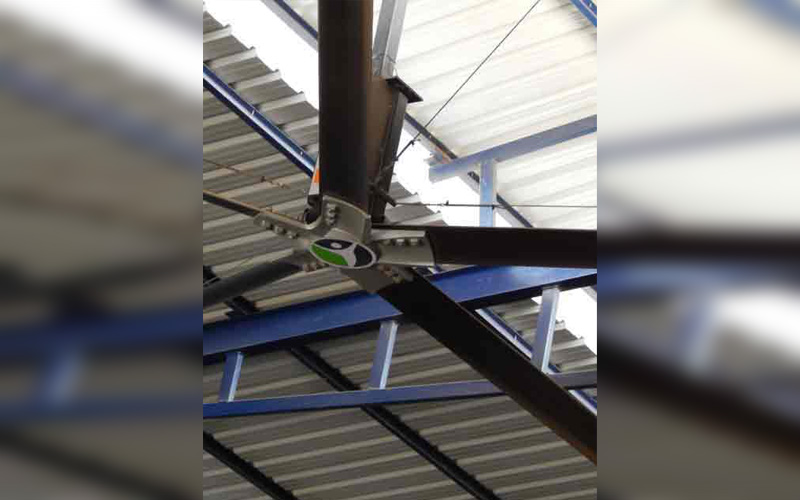
 Keeping large indoor spaces cool and comfortable has always been a challenge. Warehouses, manufacturing units, sports arenas, retail outlets, and logistics centers often struggle with uneven airflow and high cooling costs. Traditional ceiling fans and air conditioning systems are not always sufficient for such expansive environments. This is where an HVLS Fan becomes a practical and energy-efficient solution.
Designed to move a massive volume of air at low rotational speeds, an HVLS Fan improves comfort while reducing energy consumption. Businesses across various industries are increasingly adopting this technology to create healthier, more productive, and cost-effective working environments.
What Is an HVLS Fan?
An HVLS Fan (High Volume, Low Speed Fan) is an industrial-grade ceiling fan with large blades, typically ranging from 8 to 24 feet in diameter. Instead of producing a narrow stream of air, it generates a broad column of airflow that spreads evenly across the entire floor area.
This gentle yet continuous movement of air helps regulate indoor temperatures, minimizes stagnant air pockets, and creates a consistently comfortable environment for employees and visitors alike.
Why Large Facilities Need Better Air Circulation
Maintaining proper airflow in spacious buildings is more than just a comfort issue. Poor ventilation can lead to excessive heat buildup, humidity, unpleasant odors, and reduced employee efficiency.
An HVLS Fan addresses these challenges by circulating air throughout the facility instead of concentrating it in one location. This balanced airflow supports a more stable indoor climate without the excessive energy demands of conventional cooling systems.
Key Benefits of an HVLS Fan
Enhanced Employee Comfort
A comfortable workspace directly contributes to improved focus and productivity. The steady breeze generated by an HVLS Fan creates a cooling effect on the skin, making employees feel more comfortable even during warmer months.
Lower Energy Consumption
Many businesses seek sustainable ways to reduce operating costs. An HVLS Fan complements existing HVAC systems by distributing conditioned air more effectively, allowing facilities to maintain comfort while lowering energy usage.
Improved Air Quality
Continuous air circulation helps reduce humidity, minimize condensation, and limit the buildup of dust and airborne particles. As a result, indoor environments become cleaner and more pleasant for workers and visitors.
Year-Round Performance
The usefulness of an HVLS Fan extends beyond summer. During colder months, warm air naturally rises toward the ceiling. By gently pushing this warm air downward, the fan helps maintain more even temperatures throughout the building.
Quiet Operation
Despite their impressive size, modern HVLS Fan systems operate with remarkably low noise levels. This makes them suitable for workplaces where maintaining a quiet environment is important.
Industries That Benefit from an HVLS Fan
One of the greatest strengths of an HVLS Fan is its versatility. Also known as an Industrial Ceiling Fan for large-scale facilities, it is widely used across various commercial and industrial environments, including:
- Warehouses
- Manufacturing plants
- Distribution centers
- Aircraft hangars
- Shopping malls
- Sports complexes
- Exhibition halls
- Agricultural buildings
- Automotive workshops
- Educational institutions
Whether installed as an HVLS Fan or an Industrial Ceiling Fan, these systems improve airflow, enhance workplace comfort, and help reduce overall energy costs across large indoor spaces.
Factors to Consider Before Choosing an HVLS Fan
Selecting the right HVLS Fan involves evaluating several important factors.
Facility Size
The dimensions of the building determine the ideal blade diameter and the number of fans required to achieve consistent airflow.
Ceiling Height
Proper installation height is essential for maximizing air movement while maintaining safety standards.
Airflow Requirements
Different facilities have different ventilation needs depending on occupancy, machinery, and operational activities.
Motor Efficiency
High-efficiency motors deliver reliable performance while minimizing electricity consumption over the long term.
Safety Features
A quality HVLS Fan should include secure mounting systems, blade retention mechanisms, and advanced control features that ensure dependable operation.
Installation and Maintenance
Professional installation helps ensure optimal performance and long-term reliability. Once installed, an HVLS Fan generally requires minimal maintenance compared to many traditional ventilation systems.
Routine inspections, periodic cleaning, and basic mechanical checks help maintain efficient operation and extend equipment lifespan. Following manufacturer maintenance guidelines ensures the system continues to perform effectively for years.
Supporting Sustainability Goals
Many organizations are prioritizing energy efficiency and environmentally responsible operations. An HVLS Fan contributes to these goals by reducing dependence on energy-intensive cooling systems while improving indoor comfort naturally.
Lower electricity consumption not only decreases operating expenses but also supports sustainability initiatives and responsible resource management.
The Future of Industrial Airflow
Modern facility management increasingly focuses on solutions that balance performance, efficiency, and employee well-being. As businesses continue to optimize their operations, advanced airflow technologies are becoming an essential part of smart infrastructure planning.
An HVLS Fan offers a practical combination of energy savings, improved comfort, better air circulation, and reliable performance, making it a valuable investment for facilities of all sizes.
Frequently Asked Questions
1. What does HVLS stand for?
HVLS stands for High Volume, Low Speed, describing fans that move a large amount of air while rotating at relatively low speeds.
2. Where is an HVLS Fan commonly used?
An HVLS Fan is widely used in warehouses, factories, logistics centers, sports facilities, agricultural buildings, retail spaces, and other large commercial environments.
3. Does an HVLS Fan reduce energy costs?
Yes. An HVLS Fan improves air circulation, allowing HVAC systems to operate more efficiently and helping reduce overall energy consumption.
4. Can an HVLS Fan be used during winter?
Yes. It helps redistribute warm air trapped near the ceiling, creating more consistent indoor temperatures during colder months.
5. Is an HVLS Fan difficult to maintain?
No. Regular cleaning and routine inspections are generally sufficient to keep an HVLS Fan operating efficiently for many years.
Call to Action
Looking for a dependable HVLS Fan solution for your commercial or industrial facility? MG Fans offers advanced airflow systems designed to improve comfort, enhance energy efficiency, and deliver reliable performance for large spaces. Contact the team today to find the ideal solution for your facility.
Conclusion
Creating a comfortable and energy-efficient indoor environment requires more than simply adding cooling equipment. Effective airflow plays a vital role in maintaining productivity, protecting equipment, and improving workplace conditions. Investing in the right ventilation solution today can deliver long-term operational benefits while supporting sustainability and employee satisfaction. As industries continue to modernize, efficient air movement will remain a key component of smarter, healthier, and more cost-effective facilities.